
Utah DEQ Certified Mold Remediation in Salt Lake City
Mold can take hold within 1-2 days of a water intrusion, and once it spreads, it threatens both your family's health and the structural integrity of your home. We are one of the few mold remediation companies in Salt Lake City carrying Utah DEQ certification alongside AMRT and IICRC credentials. Every removal we perform follows the same containment, air-quality, and verification standards required for hospital and government environments. We're a locally-owned team based in Salt Lake City, and we handle the full process under one roof: emergency water extraction, mold containment, EPA-approved removal, and reconstruction.
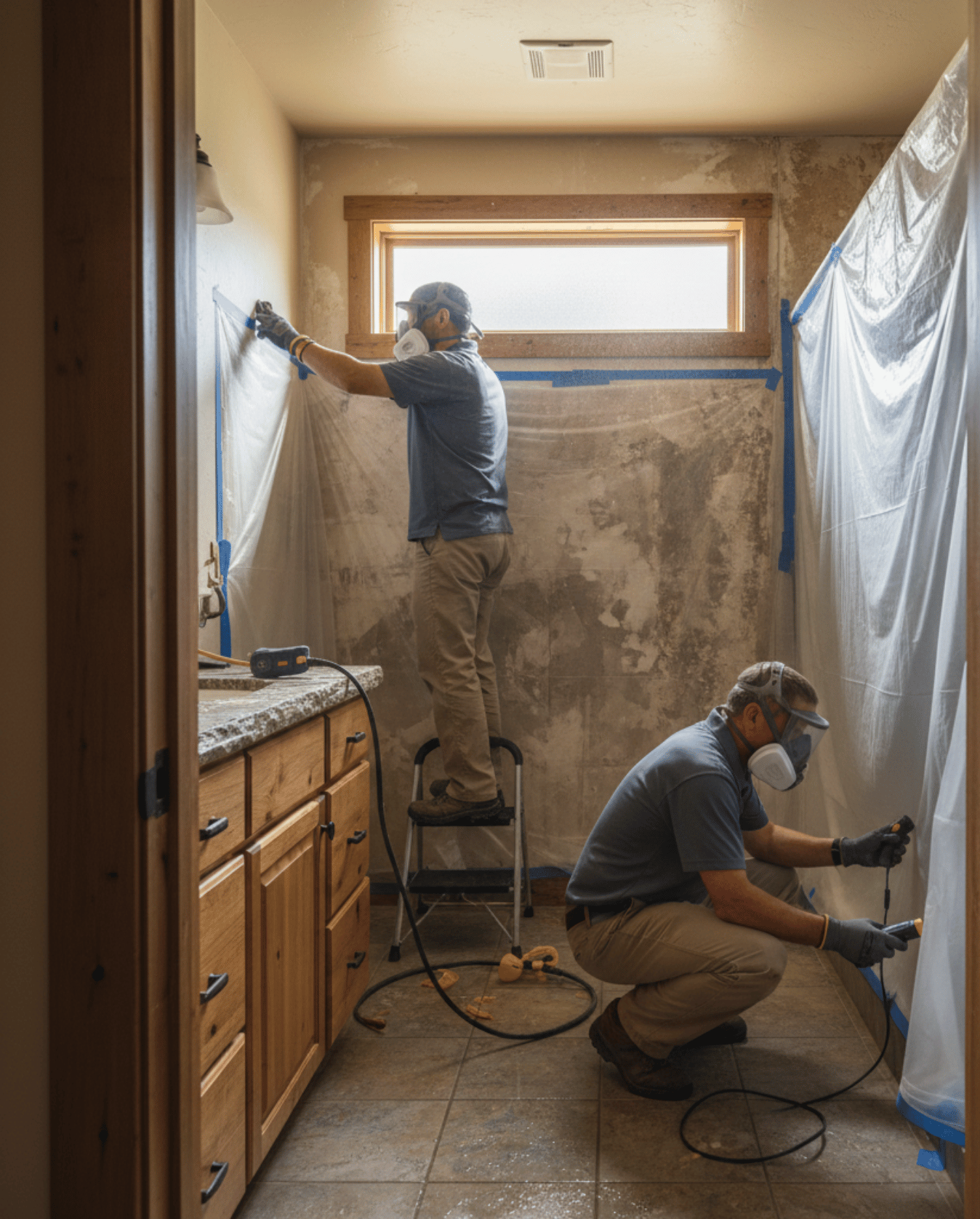
We handle everything from emergency water extraction through complete reconstruction under one roof, and we bring the same commitment to your home that we bring to everything we do in this community.
Utah DEQ Certified Mold Removal Services
Mold remediation is one of the few restoration services in Utah that requires specialized certification, and certified providers do the work very differently than uncertified ones. When you find mold in a Salt Lake City home, you need a team that knows how to identify the species, contain the spores before any disturbance, and verify removal with post-remediation air sampling. Utah Water Damage Services is one of the few mold remediation companies in the Greater Salt Lake area carrying Utah Department of Environmental Quality (DEQ) certification. The credential requires documented training in containment protocols, personal protective equipment, waste handling, and air-quality verification.
Our crews also hold the Applied Microbial Remediation Technician (AMRT) certification through the IICRC. AMRT is the industry's most rigorous standard for mold work, covering the biology of mold growth, advanced containment engineering, HEPA filtration, and post-remediation evaluation. Pair that with our IICRC water damage and applied structural drying certifications, and you get a single team that handles a mold project from initial moisture detection through full reconstruction. No third-party subcontractors.
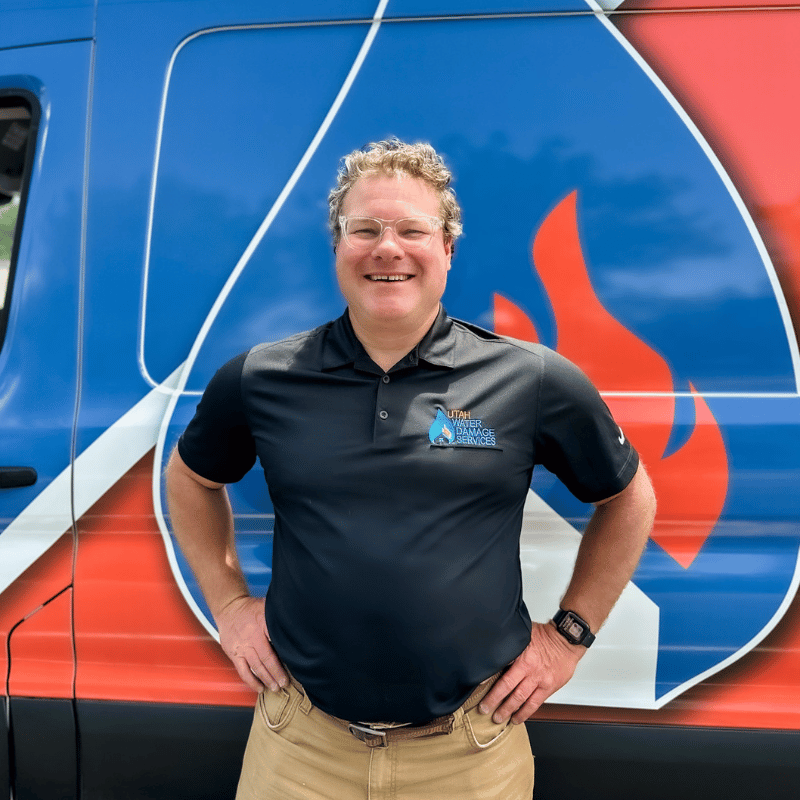
Locally owned means we live in these neighborhoods. Our owner, August Wachter, is a Salt Lake City resident who built this company on a clear set of standards: show up on time, do the work right, and leave the property better than you found it. That shows up in the small things. Drop cloths over your floors before we walk through. Plastic over your belongings before any demolition. A written scope before any work begins. We follow EPA Mold Remediation in Schools and Commercial Buildings guidelines on every job, regardless of square footage, because cutting corners on mold work is how families get sick.

Common Mold Scenarios in Utah Homes
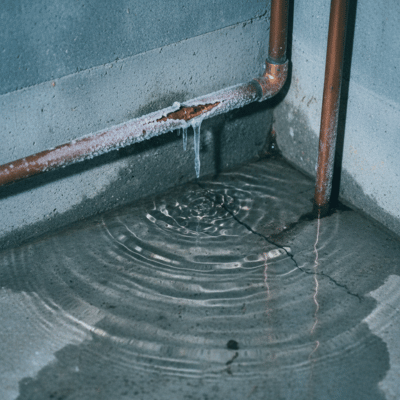
After Pipe Bursts
Utah's freeze-thaw cycles cause an average of 250,000 burst pipes nationally each winter, and Salt Lake City basements and crawl spaces see the worst of it. When a copper or PEX line ruptures, hundreds of gallons can saturate drywall, subfloor, and insulation in under an hour, creating ideal conditions for mold colonization in walls and under flooring within 24 to 48 hours.
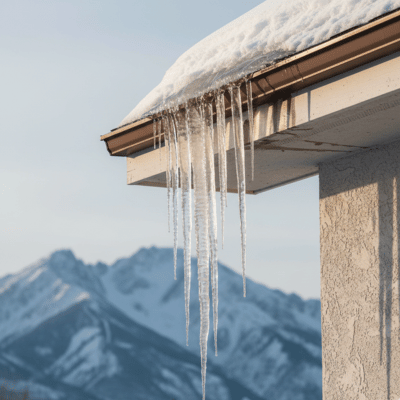
Ice Dam Leaks
Salt Lake City's heavy snow loads and warm attic spaces drive ice dams that force meltwater under shingles and into the structure. The water often travels along rafters and into wall cavities where it goes undetected for weeks, producing the kind of hidden mold growth in attics and exterior wall cavities that does not show up until a homeowner notices a musty smell or a stain bleeding through paint.
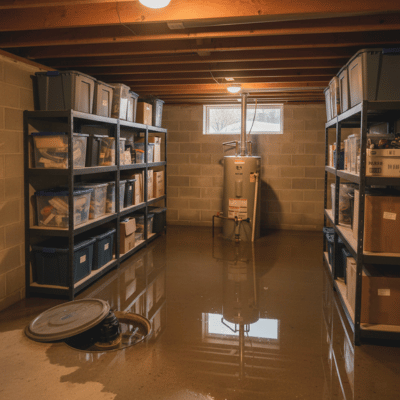
Basement Flooding
Whether the source is groundwater, a sump pump failure, or a water heater rupture, flooded basements are mold magnets. Drywall wicks moisture upward at roughly an inch per hour, insulation traps water against framing, and stored items provide cellulose food sources. Without professional drying and remediation, mold can spread through finished basements in a matter of days.
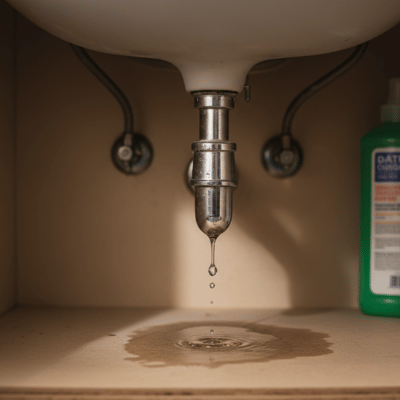
Bathroom and Kitchen Leaks
Slow leaks behind shower pans, under sinks, and around dishwashers create long-term moisture problems that often go undetected until a tile loosens or a cabinet base swells. By the time visible mold appears, the colony has typically spread inside the wall cavity, requiring containment and removal of cabinetry, flooring, and drywall to fully address.
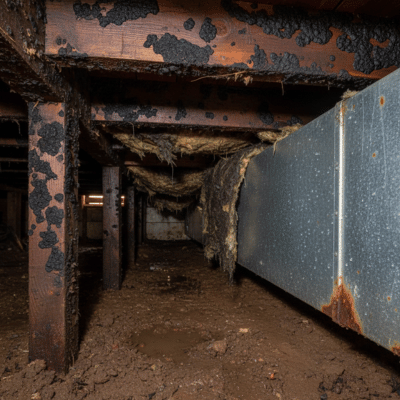
Crawl Space Moisture
Many older Salt Lake City homes have unconditioned crawl spaces where ground moisture and poor ventilation create persistent humidity. Mold that establishes in a crawl space spreads to floor joists, subflooring, and HVAC ductwork — and from there, spores circulate through the entire home every time the furnace or air conditioner runs.
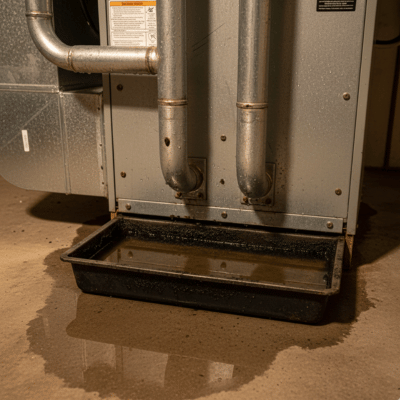
HVAC Condensation
Air conditioner coils, ductwork interior surfaces, and humidifier components all create condensation. When dust accumulates on those wet surfaces, mold colonizes quickly and uses your ductwork to seed every room in the home. Treating HVAC mold requires coil cleaning, duct sanitization, and often replacement of contaminated insulation around the air handler.
Our Utah DEQ & AMRT Certified Mold Remediation Process
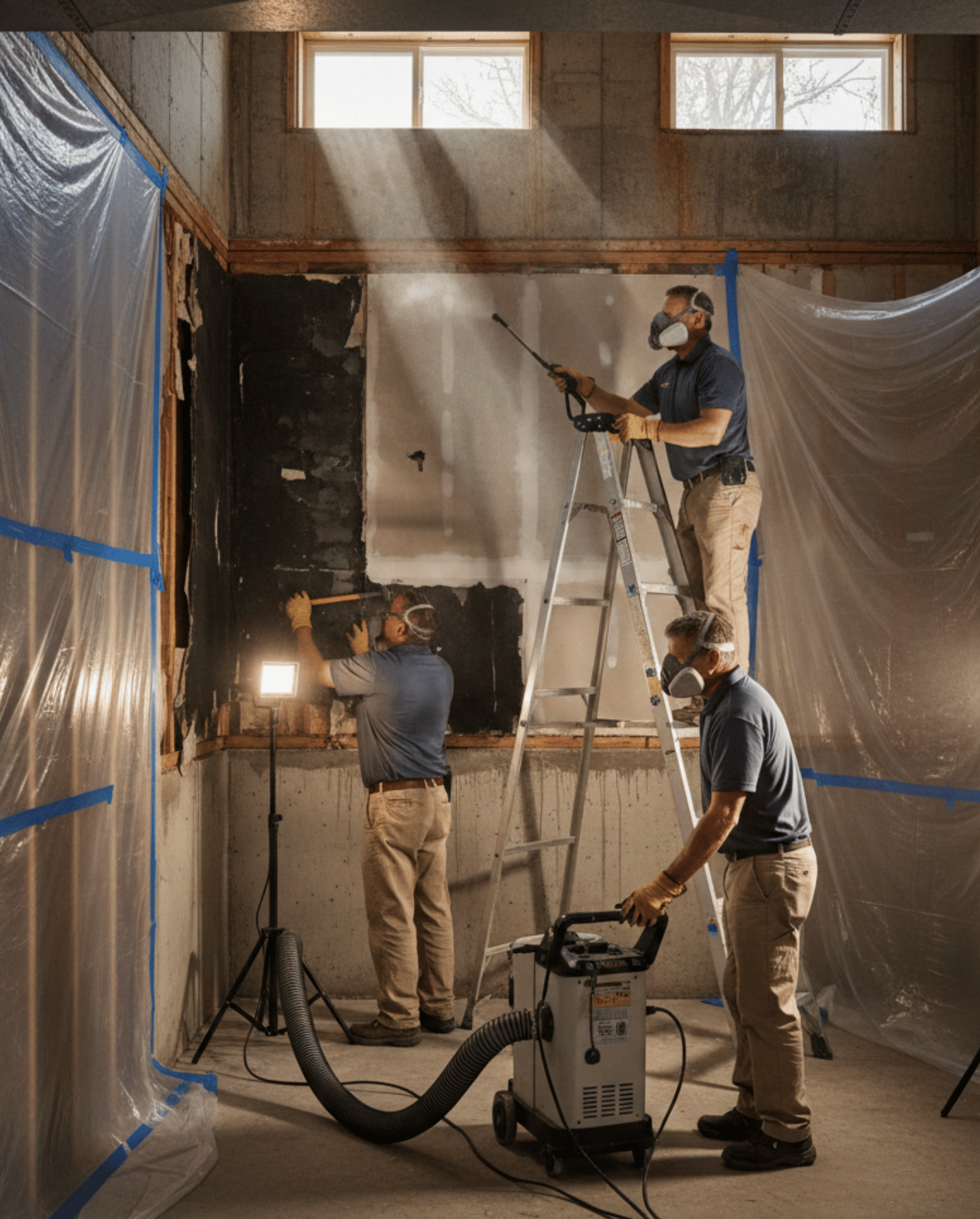
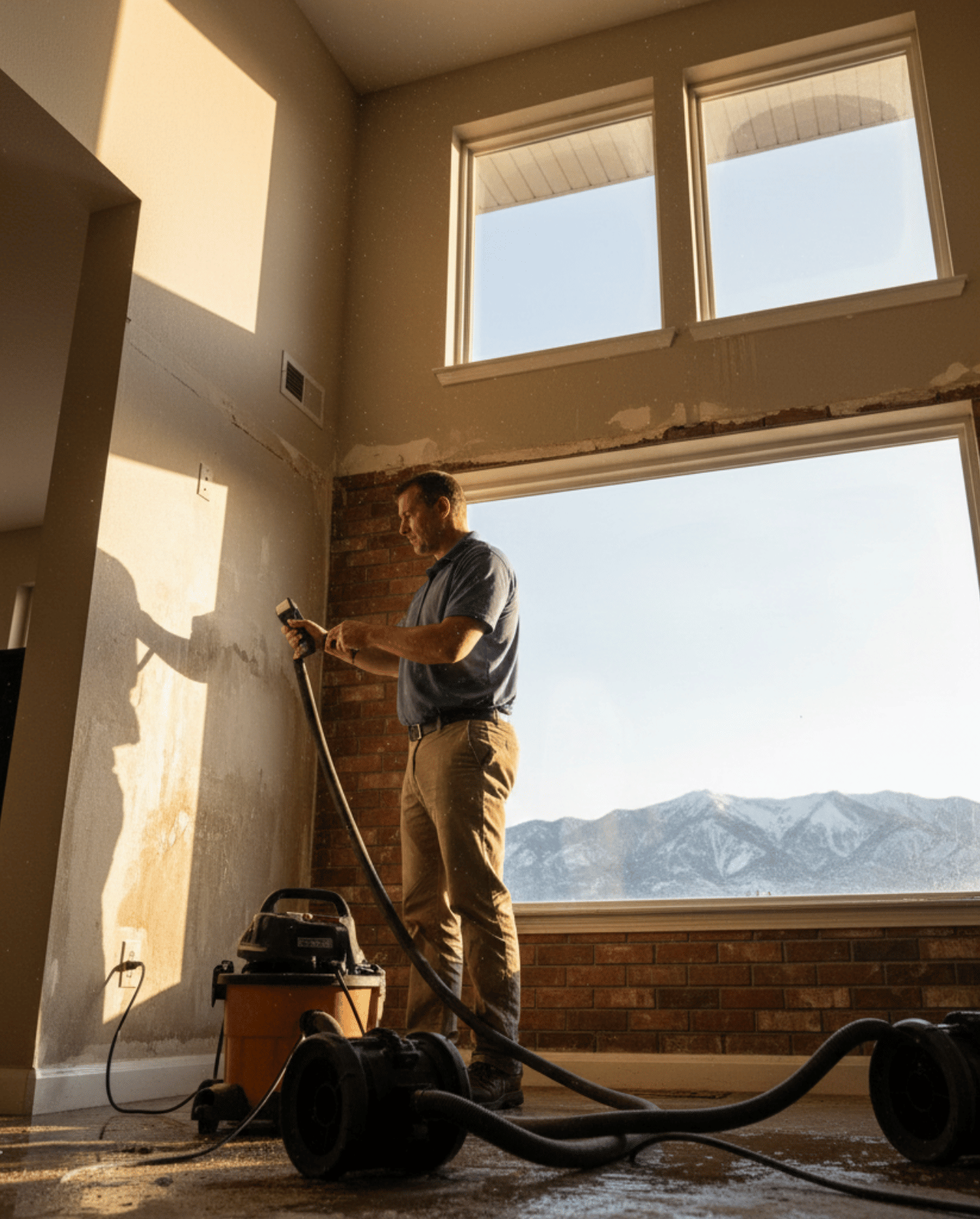
What Is Mold and Why Is It Dangerous?
Mold is a fungus that thrives in damp, humid environments and reproduces by releasing microscopic spores into the air. Indoor mold becomes a problem when those spores land on a wet surface (drywall, carpet padding, wood framing, dust on HVAC components) and find enough moisture to colonize. Once established, a single colony can release millions of spores per day, which then spread through the home and colonize new surfaces wherever moisture is available.
The most common indoor molds in Utah homes are Aspergillus, Penicillium, Cladosporium, and Alternaria. All can trigger allergies, asthma symptoms, and respiratory irritation. The species homeowners worry about most is Stachybotrys chartarum, commonly called black mold, which produces mycotoxins linked to more serious health effects. Black mold typically grows on cellulose-rich materials (drywall paper, ceiling tiles, wood) that have stayed wet for at least a week.
Common health effects of mold exposure include:
- Respiratory issues, persistent cough, and breathing difficulties
- Allergic reactions including sneezing, runny nose, watery or red eyes
- Asthma attacks or worsening of pre-existing asthma symptoms
- Skin irritation and unexplained rashes
- Headaches, brain fog, and chronic fatigue
- Cognitive issues and difficulty concentrating
- Sinus infections and sinusitis that does not respond to treatment
Children, elderly family members, pregnant women, and anyone with a compromised immune system or chronic respiratory condition are especially vulnerable. If anyone in your home is experiencing unexplained symptoms that improve when they leave the house, mold is one of the first things worth ruling out.
Signs You Need Mold Remediation
Visible Mold Growth
Black, green, or white spots on walls, ceilings, floors, or furniture. Mold often appears fuzzy or slimy and may spread in patches.
Musty Odors
A persistent musty, earthy smell indicates mold growth even if you can't see it. This odor often intensifies in enclosed spaces like closets or basements.
Water Stains and Discoloration
Brown, yellow, or dark stains on walls and ceilings indicate water damage and likely mold growth behind the surface.
Recent Water Damage
If your home experienced water damage within the past week, mold growth has likely begun. Professional assessment is critical within 24-48 hours.
Respiratory Symptoms
If family members experience allergies, breathing difficulties, or headaches that improve when they leave the house, mold may be the culprit.
Condensation and High Humidity
Excessive condensation on windows, pipes, or walls creates conditions perfect for mold growth.
The Greater Salt Lake Area and Park City
We provide water damage restoration and mold remediation throughout Salt Lake City and the surrounding communities, including Bountiful, Centerville, Farmington, Highland, Lehi, North Salt Lake, Park City, Salt Lake County, Summit Park, and Woods Cross. We’re rooted in Salt Lake City and we know these neighborhoods because we live here too.


What clients say about our work


"From the moment I called, their team was professional, responsive, and compassionate."
I recently had an emergency with flooding in my home, and this company was absolutely outstanding. They arrived quickly, assessed the situation thoroughly, and used advanced equipment to remove the water and dry everything efficiently.
"I can’t say enough good things about Utah Water Damage Services.
August responded incredibly fast when we had water coming in through a window during heavy rainstorms — I called in a panic, and their team was at my door within the hour. "
"As soon as I called they were ready to come over and assess the damage, even on the weekend. "
hey were knowledgeable and quick and kept their prices reasonable, too. Would definitely use them again (but really hope I don't have to).
"I called Utah Water Damage within about 45 minutes they were there to help move everything out of the house"
They monitored moisture, pulled carpet, removed baseboards, tile, everything that was ruined. I am so grateful to have had their help through this process.
"They went above and beyond from start to finish.
They showed up quickly, assessed the damage, and immediately set up industrial drying and air filtration equipment to prevent further issues. Highly recommend."
"They have a great team and highly recommend them."
Utah Water Damage Services was very responsive, professional, did what they said they would do and kept the it to the quoted pricing.
Frequently Asked Questions About Mold Damage