🚨 24/7 Emergency Hotline: 801-441-2190

When water damage strikes your home — whether from a burst pipe, leaky roof, or unexpected flood — the clock starts ticking.
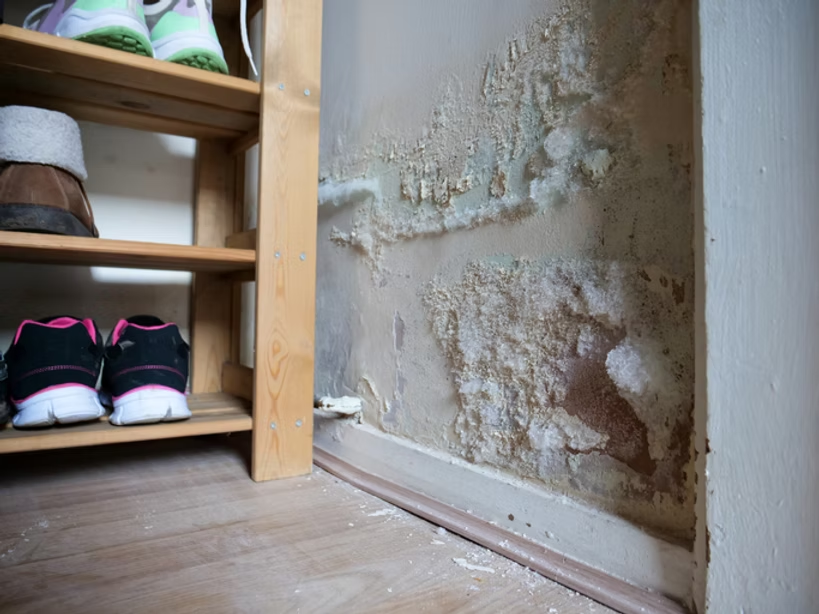
When water damage strikes your home — whether from a burst pipe, leaky roof, or unexpected flood — the clock starts ticking. Mold growth can begin within just 24 to 48 hours after water exposure, turning a small problem into a serious health and structural issue. Learning how water damage causes mold growth — and the best mold prevention tips — can save you thousands in repairs and protect your family's health.
Mold spores are everywhere, but they stay harmless until they land on damp, organic material — like wood, drywall, insulation, or carpet. Water damage creates the perfect conditions for mold to grow:
Even small leaks under sinks or behind walls can cause major mold problems if left unchecked.
Ignoring water damage can cause serious issues. Mold exposure may trigger:
Beyond health risks, mold can destroy drywall, rot wood, and lead to expensive structural repairs if not caught early.
Preventing mold growth is all about acting fast and drying thoroughly. Follow these steps to protect your home:
Start drying water-damaged areas within 24 hours. The sooner you begin, the lower the chance of mold growth.
Use fans, dehumidifiers, and ventilation to dry not just the surface, but deep inside walls, floors, and carpets.
If drywall, insulation, or carpet can't be completely dried within 48 hours, it's safer to remove and replace them.
After drying, clean hard surfaces with mold-killing cleaners like a diluted bleach solution or commercial antifungal products.
Keep your home’s humidity levels below 60%, ideally between 30%–50%. Use a hygrometer to monitor indoor moisture levels.
Fix leaking pipes, roofs, and appliances at the first sign of trouble to prevent slow moisture buildup.
Keep an eye out for musty smells, discoloration on walls, or new allergic symptoms — these can be early signs of hidden mold.
If the affected area is larger than 10 square feet, has reached drywall or if you suspect mold inside your walls or HVAC system, it’s best to call certified remediation specialists. Professionals have the tools and experience to safely remove mold and fully dry your home.
Final Thoughts: Understanding how water damage causes mold and using these mold prevention tips can protect your property and your health. If in doubt, act fast and don’t hesitate to get professional help — the cost of early intervention is far less than repairing major mold damage later.